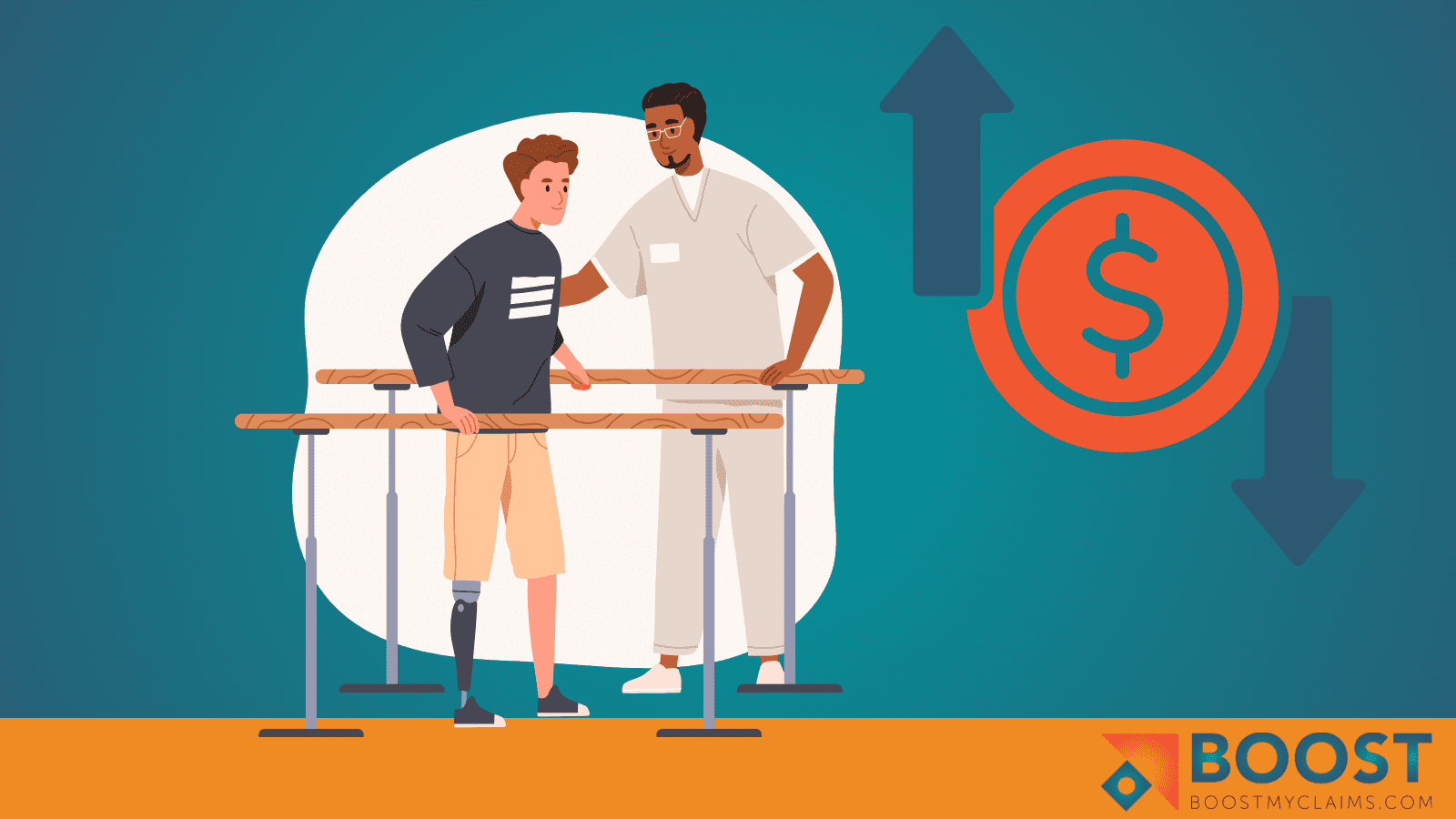


Physical Therapy clinic owners find that revenue doesn't match the high volume of patients they treat.
One common reason is Workers' Comp & Auto network reductions and PPO repricing tactics by insurance carriers.
The Mechanics of the "Silent PPO" and Underpayment
Most providers sign into PPO agreements to increase patient volume and expand their referral network.
While these contracts can drive traffic to a clinic, they're often not understood when the agreement is first signed. Clauses can allow Workers’ Compensation payers or other third-party administrators to “rent” the PPO’s negotiated network rates. Through these arrangements, payers gain access to the discounted reimbursement levels negotiated by the PPO.
How it works
When you submit a bill, a review vendor applies PPO logic instead of the state-mandated fee schedule. This automatically slashes your reimbursement to a lower contracted rate. These Workers' Comp PPO reductions are applied by automated software. No human actually reviews the clinical necessity of your care, and the system simply applies the lowest possible price point. This gap between the care provided and the payment received directly impacts how profitable a PT clinic is.
The Drain of Auto Claim Reimbursements
PPO reductions also impact auto claims. In many auto-related cases, reimbursement reductions are not tied to fee schedules or contractual agreements. Instead, insurers rely on internal calculations based on what they call “Usual, Customary, and Reasonable” (UCR) fee data.
UCR data is intended to reflect the typical cost of a medical service within a specific geographic area. Insurance companies may rely on proprietary databases or third-party tools to determine reimbursement levels.
Data used to determine UCR rates is frequently outdated or based on overly broad geographic regions. When this happens, reimbursement levels may be set well below the actual cost of delivering care, particularly for specialized services such as physical therapy, rehabilitation, or post-injury recovery programs.
Clinics treating patients under PIP may find that payments fall short of the billed charges.
The Treatment Your Clinics Provide
Treating an auto injury patient typically requires more time, documentation, and administrative oversight than treating a patient under a standard commercial health insurance plan.
Clinics frequently need to submit:
- Additional reports
- Respond to requests for records
- Track multiple claim numbers
- Verify coverage details related to Personal Injury Protection (PIP) or MedPay benefits.
Over time, this imbalance can begin to erode average profit margins.
The Drain of Auto Claim Reimbursements
Clinics can move away from a passive billing model to combat these reductions. Accepting whatever the Explanation of Benefits (EOB) says often leads to lost revenue.
- Audit every EOB to ensure listed network discounts are legitimate.
- Learn exactly what your state fee schedule allows for codes like 97110 or 97140 and compare them against PPO rates.
- Challenge the reductions when you see unauthorized network reductions.
BOOST helps clinics navigate this complex web of repricing. We identify where these silent reductions happen and ensure you receive the true value of your skilled services.
Stop letting PPOs dictate your profit. See how BOOST can help.