See more patients. That's always what people suggest, right? While it's a solid strategy, you're probably too busy with patient care as it is, not to mention billing, marketing and whatever side hustle you are trying to bring in more cash business. These might be better strategies:
1. Specialize Services
Orthopedic PT: Can boost revenue with high patient volume and broad referrals.
NeurologicalPT: Provides long-term patients, which is a steady revenue.
Pelvic HealthPT: Growing in popularity. Highly specialized so there isn't much competition.
SportsPT: Opportunities for private pay. Can work with athletic teams.
Workers' Comp & Auto InjuryPT: Potential for higher reimbursements.
2. Optimize Insurance Reimbursement
Code Correctly: Many Physical Therapy clinics make the mistake billing 1 or 2 units when more services were provided. Use the 8 Minute Rule to bill the maximum units per session. Defaulting to generic codes with lower reimbursements or not using evaluation codes properly can also be a problem.
Don't Accept PPO or Retroactive Discounts on Workers' Comp or Auto Claims: Physical Therapist clinics leave money on the table because they accept cuts to their payments, even when a contract is in place. It makes sense to send those claims to BOOST for processing. Nationally, clinics get $53 more per visit on average when the claims go through BOOST. It can partner with your billing so you don't have to change systems or spend extra admin time.
Maximize Reimbursements:Research payer policies, get pre-approvals and appeal denied claims consistently. You can also partner with a billing team, do monthly audits and set clear KPIs.
3. Reduce cancellations and No-Shows
Appointment Reminders: Give a reminder card before patients leave your office. Follow up with an appointment reminder by text.
Educate Your Patients: Make sure you are explaining how PT is improving their health. Patients are more likely to make appointments when they understand the benefits to their health.
Enforce a Cancellation Policy: You shouldn't be the one losing money when a patient is a no-show. It is standard practice to charge a fee for canceling 24 or 48 hours before an appointment. Keep a patient waitlist and book another client in that missed spot.
BOOST My Claims
BOOST tackles declining insurance reimbursements for workers' comp and auto claims head-on. You’ll get higher reimbursements without overhauling your existing systems. Boost seamlessly integrates into your current operations. You won’t have to change your billing system or EMR. You'll never have to alter your treatment practices.
It’s no secret that the cost of running a physical therapy practice is rising. But what about you, the PT delivering the care?
Are physical therapy salaries keeping up?
The short answer: yes, but not evenly.
The average Physical Therapy salary in 2024 was $101,020, according to the US News & World Report. That was a slight increase. Some regions are seeing PT salaries above $114,000.If you are in the top 10% of earners, you can expect to take home more than $130,870 a year.
1. National Averages Are Climbing
Physical Therapist salaries have seen steady gains year over year. While some markets remain flat, most regions are seeing modest increases.
While the average has gone up nationwide, where you practice matters. For example:
California: $114,270
Nevada: $111,460
New Jersey: $109,280
These states top the list for PT pay, driven by higher cost of living and demand.
2. Specialization Drives Higher Pay
PTs with advanced training or board certifications tend to earn more. For example:
Orthopedic Clinical Specialists (OCS) and Neurologic Clinical Specialists (NCS) typically command higher salaries.
Pelvic health and vestibular therapy are growing areas with fewer specialists, creating room for premium compensation.
3. Clinic Reimbursement Impacts Salaries
Your clinic’s payer mix and billing efficiency play a major role. Reimbursement rates from private insurance, Workers' Comp and Auto Injury cases impact how much clinics can afford to pay.
That’s why clinics using BOOST - which increases Workers’ Comp and MVA claim reimbursements by $53 per visit on average - often have more flexibility to pay staff competitively.
4. Location Matters
States with strong healthcare networks or greater demand for outpatient rehab services tend to offer higher pay.
Rural areas may offer sign-on bonuses or loan repayment incentives but come with lower base pay.
Urban or high-cost-of-living areas may offer higher base compensation but come with more competition.
5. Staff vs. Owner Gap
Clinic owners who leverage smart billing strategies often seeincome growth outpacing staff raises. Rather than just more patients, it'sbetterreimbursement strategy that drives profitability.
As a physical therapist, you probably aren’t looking to work more hours. You just want to be paid better for the hours you're already working.
If you're a physical therapist or clinic owner wondering how to make more money without burning out, the solution isn’t necessarily more patients. It’s about working smarter.
Here are five strategies PTs are using to maximize income and thrive in 2025:
1. Specialize in High-Value Services
Certifications in pelvic health, vestibular therapy, or orthopedic rehab don’t just expand your clinical skill set, they open the door to $10,000 to $30,000 more per year, depending on your setting and location.
Pelvic floor PTs can average $102,000 to $121,000 a year, with some higher level roles making$132,000. It’s an example of a niche with rising demand and limited competition.
2. Maximize Units Through Smart Billing
Many PTs underbill, often defaulting to just 1 to 2 units per session. Using the 8-minute rule and documenting appropriately can increase income without seeing more patients. Each extra unit billed could mean thousands of dollars in monthly revenue.
3. Treat Workers' Comp and Auto Injury Patients
These cases are more complex but often much more lucrative. Workers' Comp and MVA claims often bring in higher reimbursements, especially when processed through systems like BOOST.
BOOST helps clinics increase reimbursements by $53 per visit on average. For a Physical Therapist seeing just 10 workers’ comp patients a week, that’s$27,560 a year in added revenue - without a single extra hour of work!
4. Add Consulting, Teaching, or Mentorship
If you have years of experience, you can boost income by consulting for clinics, teaching CEU courses or mentoring younger therapists. These opportunities offer flexibility and open new revenue streams.
5. Work in the Right Setting
Outpatient clinics aren’t the only option. Home health, travel PT, and telehealth can sometimes offer higher pay with more flexibility, depending on your region and expertise.
Home health and travel PT offer higher pay ranges:
Home Health PT: ~$113,000–$140,000 with productivity incentives
Outpatient Settings: Mean wage around $123,900 in many areas
Evaluate salary potential, flexibility and long-term growth in every job opportunity.
Get Started
Maximizing your income doesn’t mean working longer hours, it means getting paid fairly for the expertise you already have.
Learn how BOOST increases reimbursements so you can earn more from the care you already provide.
If your clinic is busy but your bank account doesn’t show it, it’s time to take a closer look at your reimbursements.
Many physical therapy practices unknowingly underbill - or get underpaid - for provided services. Whether it’s missed units, incorrect coding, or low-paying contracts, every dollar left behind impacts your bottom line.
Here’s how your PT clinic can take control and start to maximize reimbursements without burning out your team or sacrificing patient care.
1. Use the 8-Minute Rule to Its Full Potential
Every minute matters. Don’t default to billing one or two units for every session. Use time-tracked notes to ensure you're billing the full number of units allowed based on the time spent providing skilled care.
2. Use the Correct CPT Codes and Modifiers
Using generic or default codes can cost your clinic. Evaluate how your team uses:
Evaluation codes (97161–97163)
Therapeutic activities (97530)
Neuromuscular re-education (97112)
Ensure modifiers (like -59) are used properly to distinguish services and avoid denials.
3. Track Denials and Appeal Aggressively
Don’t just write off denied claims. Track why they were denied, and appeal when appropriate. Denials are often caused by small errors, like missing documentation or mismatched diagnoses, that can be corrected.
4. Audit Your Payer Mix and Contracts
If you are in a contract with payers offering the lowest rates, it might be time to renegotiate or drop them. Run monthly reports to see which insurance contracts are helping or hurting your profitability. A small shift in your payer mix can have a major impact on overall income.
5. BOOST Workers’ Comp and Auto Injury Claims
Standard insurance rates are one thing, but if your clinic treats workers' comp or motor vehicle accident (MVA) patients, you could be earning significantly more. BOOST helps PT clinics increase revenue from these claims, averaging $53 more per visit, without disrupting current systems.
BOOST works behind the scenes, so your in-house billing team keeps full control and gets a powerful partner to make sure nothing slips through the cracks.
Your clinic deserves to get paid for the value you deliver.
Treating workers’ comp patients is one thing. Getting paid for it is another.
Workers' compensation billing can feel like a maze. Every state has its own rules, documentation requirements and claim timelines. With the right process in place, PT clinics can get paid fairly for the care they provide.
Here are five key steps to managing workers' comp claims successfully:
1. Confirm the Injury Is Work-Related
This step happens before treatment even begins. Always ask: “Was this injury work-related?” If this isn’t confirmed up front, the clinic might mistakenly bill the patient’s primary insurance, leading to denials and delayed care.
2. Gather All Claim Information
Once a work-related injury is confirmed, collect everything:
Claim Number
Adjuster Name and Contact Info
Injury Details
Employer and Carrier
Ensure The Approved Diagnosis Matches The Claim To Avoid Rejections
3. Get Written Treatment Authorization
Don’t start treatment without it. Verbal approval is helpful, but written authorization is your protection. If more visits are needed later, contact the adjuster early to extend approval and avoid hitting a hard stop mid-treatment.
4. Track Visits and Submit Clean Claims
Meticulously track approved visits, attach required documentation and confirm service dates match authorization. Inconsistencies are one of the top reasons for denied claims.
Also, workers' comp patients don’t pay copays or deductibles. PT clinics must accept the approved reimbursement as full payment; no balance billing allowed.
Because insurance companies tend to use PPO, Network and Retroactive Discounts to lower your payments, hundreds of Physical Therapy clinics across the country BOOST their claims. Having your billing run claims through BOOST, you should get $53 more per claim on average. You also have the reassurance that you are getting the reimbursement you deserve, maximizing revenue.
5. Use the Right Forms and Know the Law
Ensure your team is using:
First Report of Injury (at first visit)
CMS-1500 form with detailed documentation
Follow HIPAA guidelines and don't bill the employer directly. Always consult your state’s workers’ comp regulations to stay compliant.
Want to simplify all of this?
BOOST works with clinics to manage these exact details — ensuring proper documentation, authorization, and submission — so PTs get reimbursed faster and at higher rates. It’s not a billing replacement; it’s a partner that helps you get what you’ve already earned with no PPO, Network or Retroactive Discounts.boostmyclaims.com
Let’s be honest — you didn’t open your clinic to chase reimbursements or deal with insurance red tape. But if you’re treating
workers' comp patients, you deserve to get paid for what your care is worth.
Right now, many physical therapy clinics are leaving money on the table with workers’ comp. PPO, Retroactive and Network Discounts aren’t just annoying, they cut directly into your bottom line.
The good news? You don’t need to see more patients or overhaul your systems to fix it. With the right approach, workers' comp cases can become one of your most profitable service lines.
Here are 5 practical strategies that help PT clinics increase workers' comp revenue — without adding to your team’s workload.
1. Be Strategic And focused
Workers’ comp can bring in higher reimbursement rates than standard insurance. The problem is, not every clinic is set up to handle them efficiently. Clinics that create a streamlined intake and billing process for these patients see faster payments and fewer denials.
2. Code Accurately and bill the full value
Don’t underbill. If your Physical Therapists provide 45 minutes of skilled therapy, they should bill for it. The 8-minute rule allows for multiple units and each unit adds revenue. Also, make sure your team uses the right modifiers and evaluation codes to maximize reimbursements.
3. Don't accept Discounts that don't apply
Insurance companies like to maximize their profits by reducing payments on workers’ comp and auto claims. You're losing money if you accept less than your state’s fee schedule or contracted rate. Even if you have contracted rates, they can reduce your payments through PPO, Retroactive and Network Discounts. Some Physical Therapy clinics don't realize the discounts have been applied. Others know, but don't understand how to stop discounts from cutting into their payments.
That's why so many Physical Therapy owners have decided to BOOST their claims. They keep their current billing system, don't add any extra admin and end up with 2X the reimbursements they were getting. With $53 more on average per claim, they can use the extra revenue to provide even better care.
4. Train Your Team on Intake and Authorization
The reimbursement process starts before the patient walks in the door. Train your front desk to ask the right questions:
Was the injury work-related?
Who is the adjuster or case manager?
What’s the claim number and injury date?
Getting proper authorization and documenting everything early avoids denied visits and delays.
5. BOOST Your Workers' Comp Claims
Thousands of clinics across the country are getting $53 more per visit on average - just by using BOOST. It’s a processing method that works alongside your existing billing team and EMR, with no need to switch systems. BOOST manages the complex workers’ comp and auto injury claim processes that often get underpaid or denied.
Don't do more Work to Make More - Work Smarter
Reach outto see how much more your clinic could earn on every workers’ comp visit, without changing your workflow. boostmyclaims.com
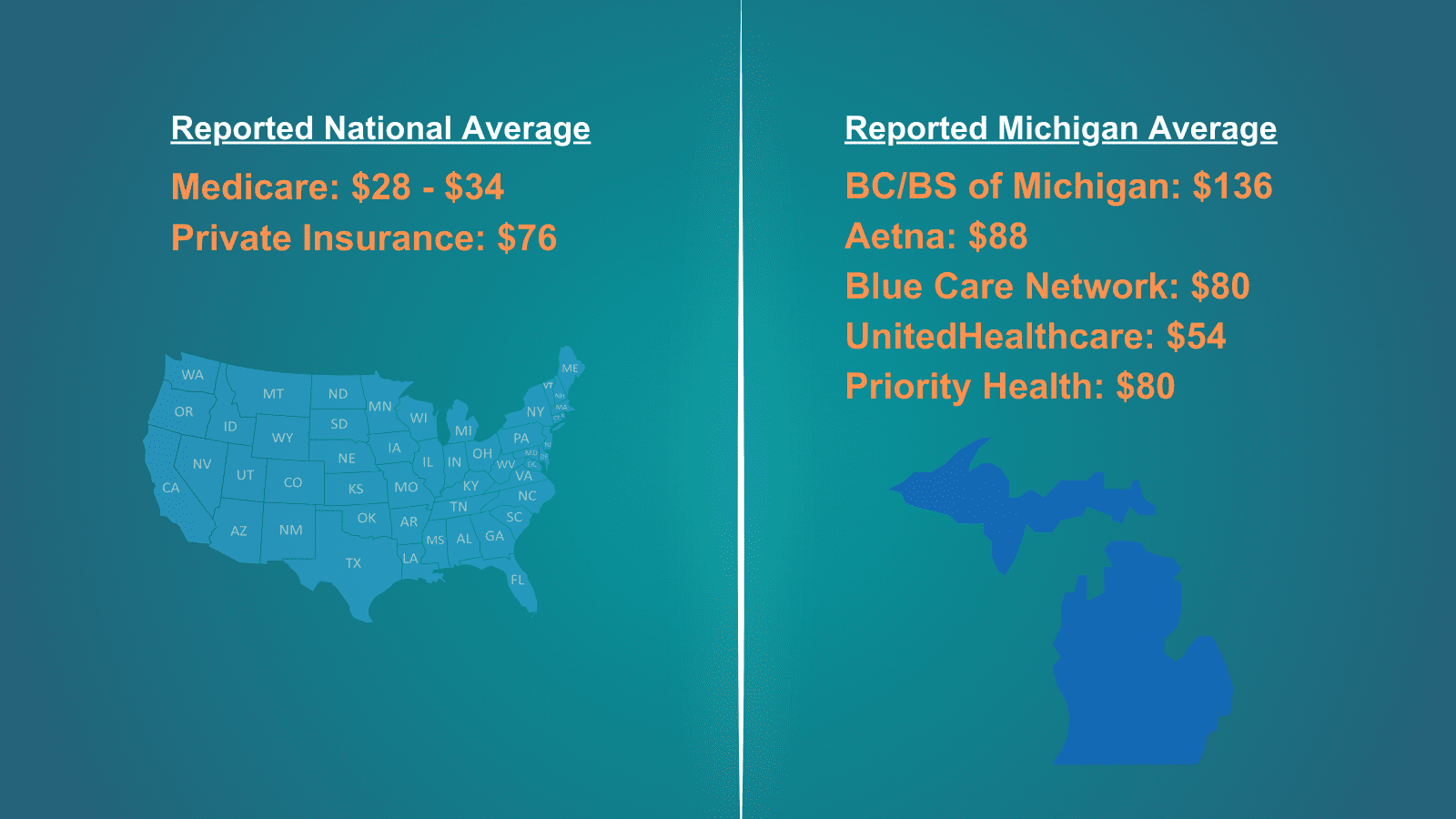
Wouldn’t it be nice if reimbursements were standard and as a
Physical Therapist, you knew exactly how much the insurance company would pay
for certain treatments? As a provider, you can negotiate a contract, but those agreed-upon
prices depend on your location and the specific treatment codes you use.
For
example:
Workers' Comp & Auto Claims
When it comes to workers’ comp and auto injury claims,
Physical Therapy owners are often surprised when insurance companies use PPO,
Retroactive and Network Deductions to pay less for the care their clinic provides. The reimbursements
are often lower than even the negotiated contract price.
Physical Therapy owners across 27 states have found a way to
BOOST their reimbursements by $53 per visit, getting the payments they deserve.
Payments are higher and more consistent with BOOST and they don’t have to
overhaul their systems or add extra work.
Reimbursement Reductions COming
This year, Medicare implemented a 2.93% reduction in payment
rates for Physical Therapy. That reduction follows 4 straight years of cuts. Private
Insurance rates have dropped 10% in the past decade and are expected to stay
the same or drop in 2025.
BOOSt My Claims
The BOOST Processing Method is the solution to declining reimbursements for Workers' Compensation and MVA (motor vehicle accident) bills. Since 2014, they've successfully employed this method to enhance profits for Physical Therapy Clinic owners. It's a well-established approach that can seamlessly integrate into your current billing process. With BOOST, you can get 2x higher reimbursements and generate. To see if you qualify: boostmyclaims.com
Welcome to the world of physical therapy, where your patients aren’t the only ones needing care - your practice does too. If you want to inject extra cash into your practice without compromising on quality, you’ve come to the right place.
After you pay your team, rent, insurance and buy equipment, the average profit margin for your Physical Therapy clinic could be just 10% to 20%, depending on your payer mix. It could increase substantially if you specialize in workers' comp or auto claims.
Type of Clinic
Average Profit Margin
General PT Clinic
10–15%
Insurance-Based High Volume Clinic
8%–12%
Hybrid Clinic (Insurance + Cash Pay)
15%–25%
Workers' Comp/Auto Focused Clinic
20–30% (or higher)
If you specialize in workers' comp or auto injury physical therapy, your profit margin will depend on whether or not insurance companies are making PPO or Retroactive Deductions. They may slash your payout even if you have a contract. If you can BOOST your claims, you could double your reimbursements. On average, clinic owners see a $53 increase in reimbursements when their billing teams put the claims through BOOST and put a stop to unnecessary deductions.
Here are some other ways you could increase your profit margin.
1. Slash Cancellations and No-Shows
Let’s face it: missed appointments are the uninvited guests at your profit party. But fear not! With a few tweaks, you can send those pesky no-shows packing.
Send Timely Reminders: Don’t let your patients fall off the radar. A little nudge goes a long way. Whether it’s a friendly reminder card handed out at the front desk or an automated email pinging their inbox, keep those appointments top of mind. Many patient management systems have built-in reminder features—use them!
Educate During Visits: A little education can be a game-changer. When patients understand the importance of sticking to their therapy schedule, they’re more likely to show up. Use their time in your office to reinforce how consistent therapy contributes to their recovery.
Enforce a Clear Cancellation Policy: Set clear boundaries with a well-defined cancellation policy. A modest fee for late cancellations or no-shows can work wonders. Just make sure your staff and patients are aware of this policy ahead of time to avoid any misunderstandings.
2. Hire for Both Skill and Fit
The right team can make or break your practice’s profitability. Beyond just ticking off the certification boxes, focus on finding staff who fit with your practice’s vibe.
Check Credentials: Yes, you need to ensure your candidates are properly licensed and certified. They should have completed an accredited program and passed their National Physical Therapy Exam (NPTE). Make sure their qualifications align with your state’s specific requirements.
Assess Soft Skills and Culture Fit: Skills aren’t just about what’s on paper. Dive into their soft skills during interviews. Can they handle challenging patients? Are they familiar with billing procedures? Do they mesh well with your team’s culture? Role-playing scenarios can be a fantastic way to see how they handle real-world challenges.
3. Motivate and Retain Your Staff
Keeping your staff happy is key to reducing turnover, which in turn boosts your practice’s bottom line. Here’s how to keep your team engaged and motivated.
Provide Comprehensive Benefits: A robust benefits package is no longer a luxury—it’s a necessity. Health insurance, a 401(k) plan, gym memberships, and mental health resources can all be part of the deal. Student loan reimbursements and continuing education opportunities are also highly attractive incentives.
Emphasize Non-Money Perks: Not everything has to come with a price tag. Extra PTO, casual dress days, and team lunches can make your practice a place people want to stick around. Foster a positive workplace culture to keep morale high and turnover low.
4. Expand Your Service Offerings
Diversification isn’t just for your investments—it’s also a great strategy for your practice. Adding new services can attract more patients and boost your revenue.
Offer Personal Training: If you’ve got the expertise, why not offer personal training? It’s a natural extension of physical therapy and can keep patients engaged in their health journey. Plus, it’s a great revenue stream.
Add Nutritional Counseling: Help your patients achieve their health goals with nutritional advice. While PTs can provide general guidance, partnering with a state-qualified nutritionist can expand your service offerings.
The Bottom Line: Boost Your Profit Margin
Looking to get more profit out of your physical therapy practice? Keeping your schedule full, retaining top talent, and offering a diverse range of services are all crucial. But to truly maximize your revenue, you need a solution that tackles the complexities of billing and insurance.
Enter Boost My Claims. Boost tackles declining insurance reimbursements for workers' comp and auto claims head-on. You’ll get higher reimbursements without overhauling your existing systems. Boost seamlessly integrates into your current operations. You won’t have to change your billing system or EMR. You'll never have to alter your treatment practices.
The #1 answer many experts will give you is to see more
patients. That works, but chances are you are too busy already with patient care,
marketing, billing and possible side hustles to bring in more cash business.
It's best to work smarter, not
harder.
Specialize Services
Orthopedic
PT: Can boost revenue with high patient volume and broad
referrals.
NeurologicalPT: Provides long-term patients, which is a steady revenue.
Pelvic
HealthPT: Growing in popularity. Highly specialized
so there isn't much competition.
SportsPT: Opportunities for private pay. Can work with athletic
teams.
Code
Correctly: Many Physical Therapy clinics make the mistake billing
1 or 2 units when more services were provided. Use the 8 Minute Rule to
bill the maximum units per session. Defaulting to generic codes with lower
reimbursements or not using evaluation codes properly can also be a
problem.
Don't
Accept PPO or Retroactive Discounts on Workers' Comp or Auto Claims: Physical Therapist clinics leave money on
the table because they accept cuts to their payments, even when a contract
is in place. It makes sense to send those claims to BOOST for processing.
Nationally, clinics get $53 more per visit on average when the claims go
through BOOST. It can partner with your billing so you don't have to
change systems or spend extra admin time.
Maximize
Reimbursements: Research payer policies, get pre-approvals and
appeal denied claims consistently. You can also partner with a billing
team, do monthly audits and set clear KPIs.
Reduce cancellations and No-Shows
Appointment
Reminders: Give a reminder card before patients leave your office.
Follow up with an appointment reminder by text.
Educate
Your Patients: Make sure you are explaining how PT is improving
their health. Patients are more likely to make appointments when they
understand the benefits to their health.
Enforce
a Cancellation Policy: You shouldn't be the one losing money when
a patient is a no-show. It is standard practice to charge a fee for
canceling 24 or 48 hours before an appointment. Keep a patient waitlist
and book another client in that missed spot.
BOOST My Claims
The BOOST Processing Method is the solution to declining reimbursements for Workers' Compensation and MVA (motor vehicle accident) bills. Since 2014, they've successfully employed this method to enhance profits for Physical Therapy Clinic owners. It's a well-established approach that can seamlessly integrate into your current billing process. With BOOST, you can get 2x higher reimbursements and generate. To see if you qualify: boostmyclaims.com
Attracting new patients is crucial, but retaining existing ones is the real key to long-term success. Happy patients aren't just a source of revenue; they become your biggest advocates, spreading the word about your practice and attracting new clients through referrals.
Building a loyal patient base requires a shift in focus from simply providing treatment to cultivating genuine, long-term relationships. It's about creating an exceptional patient experience that leaves them feeling valued, understood, and eager to return.
Here are 5 key strategies to foster patient loyalty and build a thriving practice:
1. Personalized Treatment Plans:
Imagine walking into a restaurant and being served the same meal every day, regardless of your preferences. Sounds unappealing, right? The same applies to patient care.
Every individual is unique, with distinct needs, goals, and preferences. A one-size-fits-all approach to treatment rarely yields optimal results. This personalized approach demonstrates genuine care and fosters a stronger patient-therapist relationship, making them feel valued and respected. To personalize treatment plans, you can:
Conduct thorough initial assessments: Go beyond the initial evaluation. Inquire about their lifestyle, hobbies, and any other factors that might impact their recovery or treatment adherence.
Set realistic and achievable goals: Work collaboratively with the patient to set specific, measurable, achievable, relevant, and time-bound (SMART) goals.
Regularly reassess and adjust: Monitor progress, address any concerns, and make necessary adjustments to the treatment plan.
Involve patients in the decision-making process: Encourage them to share their feedback and preferences regarding treatment options and techniques.
2. Build Trust and Transparency with Better Communication:
Open and consistent communication is the cornerstone of any strong relationship, and the patient-therapist relationship is no exception. Fostering open and consistent communication means you build trust and transparency, which are essential for building strong patient relationships. Here are some ideas on how to do it:
Keep patients informed: Regularly update patients on their progress, explain treatment procedures clearly, and answer any questions promptly.
Utilize patient portals: Provide easy access to important information such as appointment schedules, treatment plans, and educational resources.
Encourage open dialogue: Create a safe space for patients to express their concerns and ask questions without hesitation.
Practice active listening: Pay close attention to their concerns and demonstrate empathy and understanding.
3. Empowering Patient Education:
Empowered patients are more likely to adhere to their treatment plans, achieve their goals, and become active participants in their recovery journey. By empowering patients with knowledge, you not only improve their understanding of their condition but also increase their motivation and engagement in the recovery process. Here are some ways to start empowering your patients:
Provide clear and concise explanations: Explain treatment procedures, techniques, and home exercise programs in a way that is easy to understand.
Offer a variety of educational resources: Provide handouts, videos, and links to reputable online resources.
Encourage questions and active participation: Encourage patients to ask questions and actively participate in their care.
Demonstrate proper exercise techniques: Provide clear and concise demonstrations of exercises and ensure patients understand how to perform them correctly.
4. Create a Welcoming and Comfortable Environment:
The overall patient experience extends beyond the treatment room. A welcoming and comfortable environment can significantly enhance the patient experience and contribute to a positive overall impression of your practice. To create a welcoming environment, you can:
Ensure the clinic is clean and well-maintained: A clean and organized environment creates a positive first impression.
Provide a comfortable waiting area: Offer comfortable seating, reading materials, and perhaps even refreshments.
Maintain a professional and friendly demeanor: Greet patients warmly, address them by name, and make them feel valued.
Involve the entire staff: Ensure that all staff members, from receptionists to therapists, contribute to creating a positive and welcoming atmosphere.
5. Cultivate a Culture of Gratitude:
Expressing sincere gratitude for your patients can go a long way in building strong relationships. There are many ways you can express gratitude to your patients in simple ways, here are a few to get you started:
Offer personalized thank-you notes: Send handwritten thank-you notes to new patients or those who have achieved significant milestones.
Acknowledge patient birthdays or anniversaries: Send a small token of appreciation, such as a birthday card or a small gift.
Provide positive feedback and encouragement: Regularly acknowledge and praise patient effort and progress.
Consider patient feedback: Actively solicit and incorporate patient feedback to improve your services and enhance the patient experience.
Building a loyal patient base requires a consistent effort and a genuine commitment to providing exceptional care. Start implementing these strategies to create a positive and rewarding experience for your patients while building a thriving and sustainable practice.